24/7 Emergency Tree Service in Toronto: Fast Response, Fully Insured
When a tree has fallen, split or shifted toward a building, the immediate priority is people’s safety. Bosco Tree provides emergency tree service Toronto property owners can contact at any hour, with 24/7 emergency service, ISA-certified arborists, more than 30 years of experience, and full insurance with $2 million liability coverage. Call 416-206-1460 to describe the hazard. If a wire may be live, stay well away and call the utility or 911; do not approach, touch a tree or attempt to move debris near electrical lines.
Key facts
- 24/7 emergency tree service across Toronto and the GTA
- For storm damage, fallen trees and urgent tree hazards
- ISA-certified arborists; 30+ years of experience
- Fully insured with $2 million liability coverage
- Call 416-206-1460; free quotes and estimates where appropriate
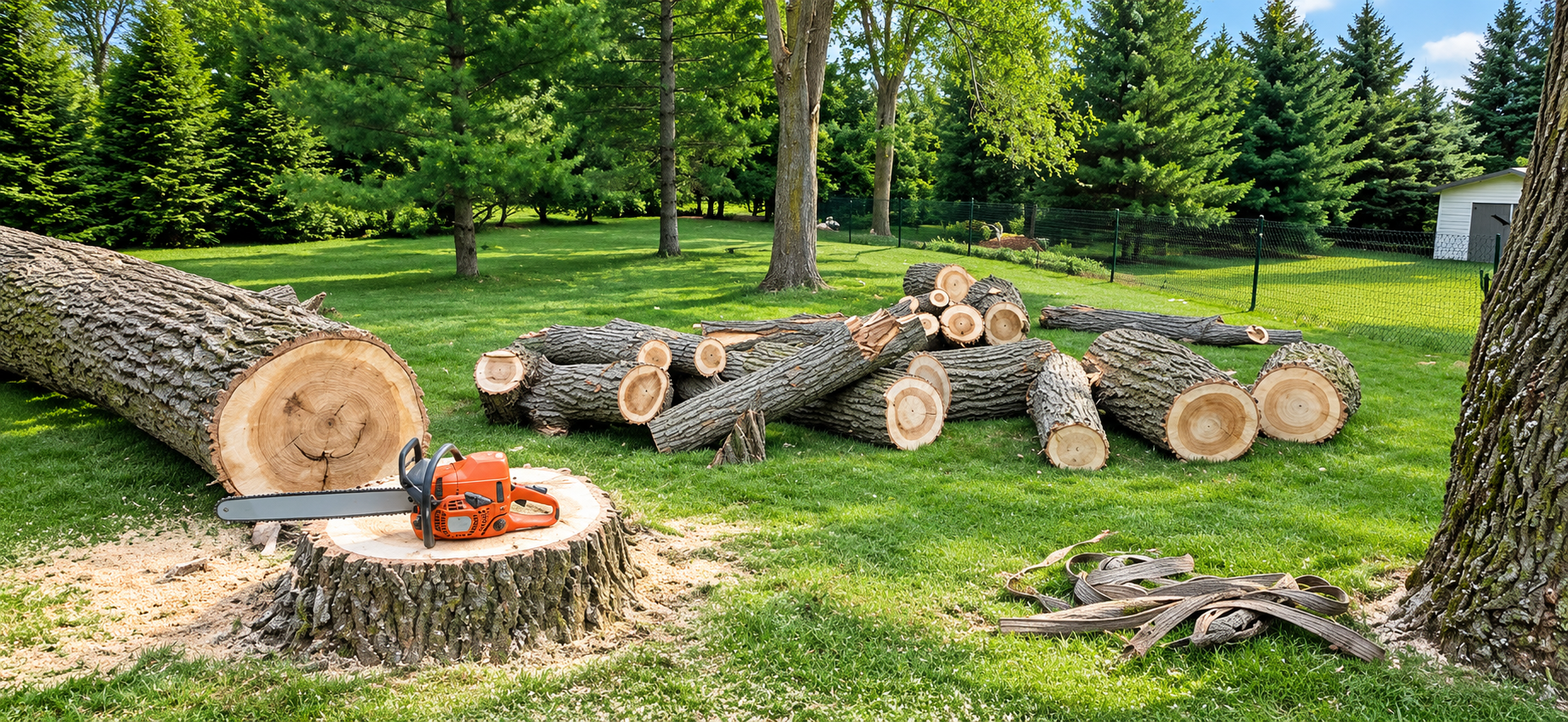
Emergency tree service Toronto can call day or night
Storm damage can leave a large limb hanging overhead, a trunk resting on a roof, a tree blocking a driveway or roadway, or a split tree that may move again. Do not stand beneath suspended limbs or enter an unstable area to take photographs. Emergency tree service Toronto calls should begin with safety, not a close-up inspection of the damage. Keep household members, visitors and pets back. If a tree has contacted power lines, or wires are down or appear damaged, assume they are energized: call the utility or emergency services as appropriate and wait for qualified responders. Bosco Tree can be contacted for arboricultural emergency assistance, but never as a substitute for emergency services or utility response where those are needed.
After you have made the area as safe as you can without approaching the hazard, call Bosco Tree and describe what happened, the location, whether anyone is injured, whether a structure or route is blocked, and whether utilities are involved. The team can discuss the next step and assess the situation. Emergency tree work is planned around the actual hazard, site access and conditions; no specific arrival time should be assumed or promised. To request assistance, use the Bosco Tree contact page or call directly.
For non-emergency tree care or planned removal, review Bosco Tree’s tree services, including tree removal in Toronto and tree pruning and trimming. A stump that remains after a safe removal may need stump grinding in Toronto. If documentation or a site assessment is required, learn about arborist reports; for clearing a wider site, see lot clearing throughout the GTA.
Immediate actions when a tree creates a danger
- Move away from the tree and any area where limbs, branches or the trunk could shift or fall.
- Keep other people and pets out of the work area; do not climb, cut, pull or use a vehicle to move the tree.
- For downed or possibly live wires, do not approach or touch the wire, tree, fence, water or equipment nearby. Contact the utility or 911 and follow their direction.
- If a road is blocked or there is an immediate threat to public safety, contact emergency services or the responsible authority.
- Once safe, call Bosco Tree at 416-206-1460 with the location and a concise description of the hazard.
Storm damage, fallen trees and urgent hazards
Emergency calls vary. The emergency tree service Toronto property owners need depends on what is damaged, who may be at risk and whether utility or responder coordination is required. A branch may have broken but remain lodged in a canopy; a tree may be leaning after saturated soil or high winds; or a trunk may have fallen across a yard, roof, access path or road. Each condition has different hazards. A broken limb under tension can move unexpectedly when cut. A leaning tree may be supported by other trees or structures. A tree resting on a building can impose loads in places that are not obvious from the ground. Treat the scene as unstable until a qualified assessment says otherwise.
Do not attempt to clear a fallen tree from a roof, driveway or road yourself. Cutting a trunk can release stored force, change the balance of the tree or cause a second movement. Stay clear of damaged buildings and follow emergency responder instructions if the structure may be unsafe. If water, gas or electrical service appears affected, contact the relevant emergency or utility service. Bosco Tree’s role is to assess the tree-related work and explain an appropriate response after immediate life-safety concerns have been addressed.
Even a tree that has not fallen may need urgent attention if a major limb is cracked, the trunk has split, the root plate has lifted, or a portion is hanging above an occupied area. Explain what you can see from a safe location, but avoid approaching to inspect the trunk or root system. The crew can determine what further assessment is appropriate and whether conditions permit work. If the concern is not immediate, a planned tree pruning assessment or tree removal consultation may be the better route.
What to expect when you call Bosco Tree
In an urgent situation, the first call should focus on the hazard, not on a long description. Share the exact service location, what has fallen or become unstable, whether anyone is in danger, whether the tree touches a building or road, and whether any wires are involved. If you cannot safely determine a detail, say so. Do not take risks to obtain a better view. Bosco Tree will use the information available to discuss next steps and determine what assessment is required.
Emergency response process, step by step
- Make the call from a safe place. Contact emergency services or the utility first for immediate danger, injuries, roadway emergencies or possible live wires. Then call Bosco Tree about tree-related assistance.
- Share essential details. Provide the location, the tree’s condition as seen safely, the affected area, access information and any known utility or structural involvement.
- Discuss the response. Bosco Tree reviews the information and explains what can be determined by phone, what requires an on-site assessment and what next action is appropriate. Conditions and call volume can affect availability; no fixed arrival time is guaranteed.
- Assess the scene on arrival. The arborist or crew evaluates hazards, access, the tree’s position, nearby people and property, and whether other responders or utility clearance are required before work.
- Agree on the immediate scope. The work plan is focused on the hazard and practical site conditions. The crew explains the proposed work before proceeding when circumstances allow.
- Stabilize, remove or make safe as appropriate. Qualified personnel use a controlled approach suited to the conditions. A complete cleanup, permanent repair or follow-up tree work may be distinct from immediate hazard reduction and should be discussed.
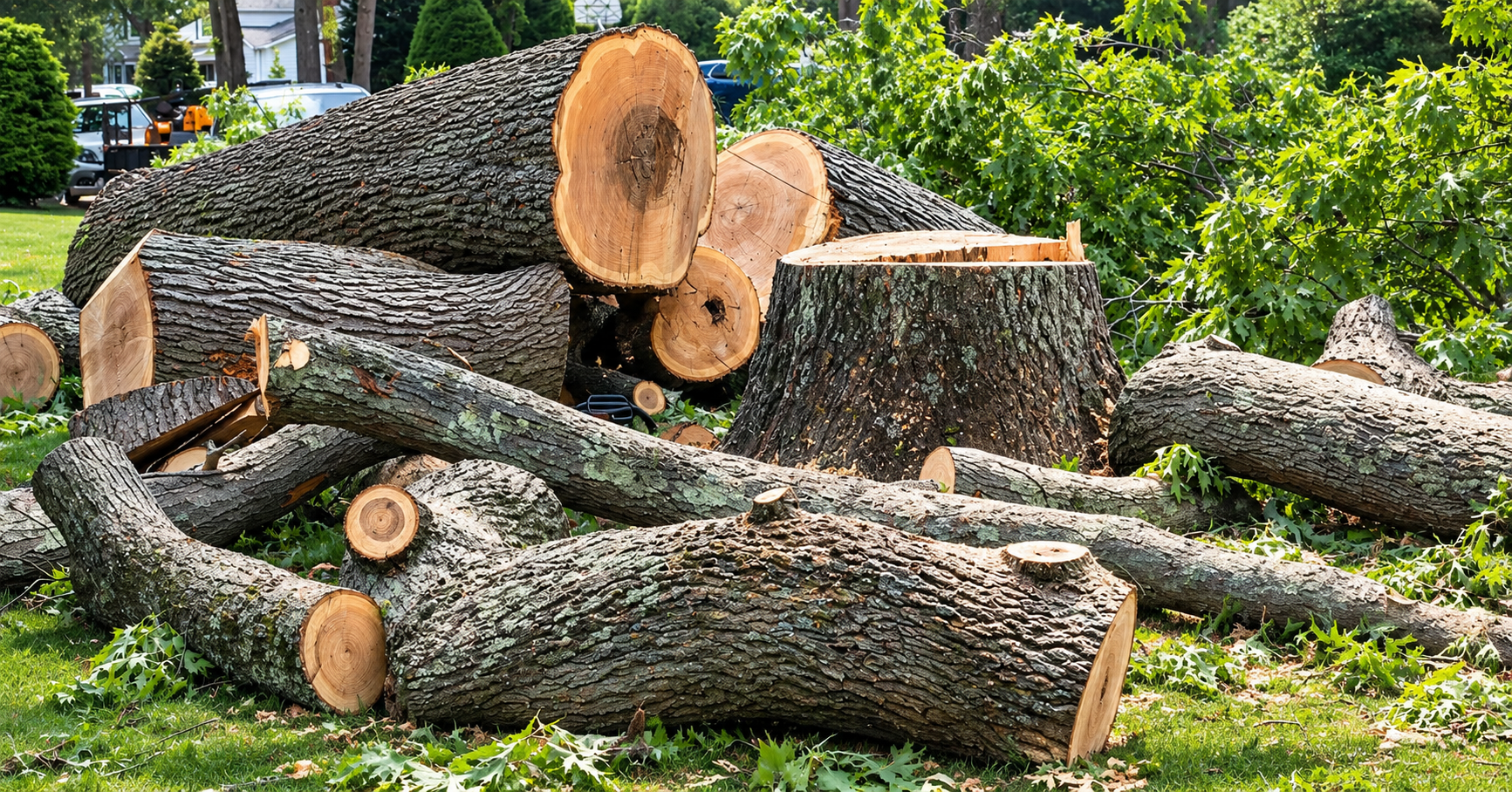
Emergency response does not mean every tree can safely be removed in one operation or that the entire property can be restored at once. Weather, darkness, access, structural damage, unstable ground and electrical hazards may affect the sequence. The crew may need to coordinate with emergency services, a utility, a property representative or another qualified professional. The safest plan may involve securing an area and returning for additional work after a hazard has been controlled.
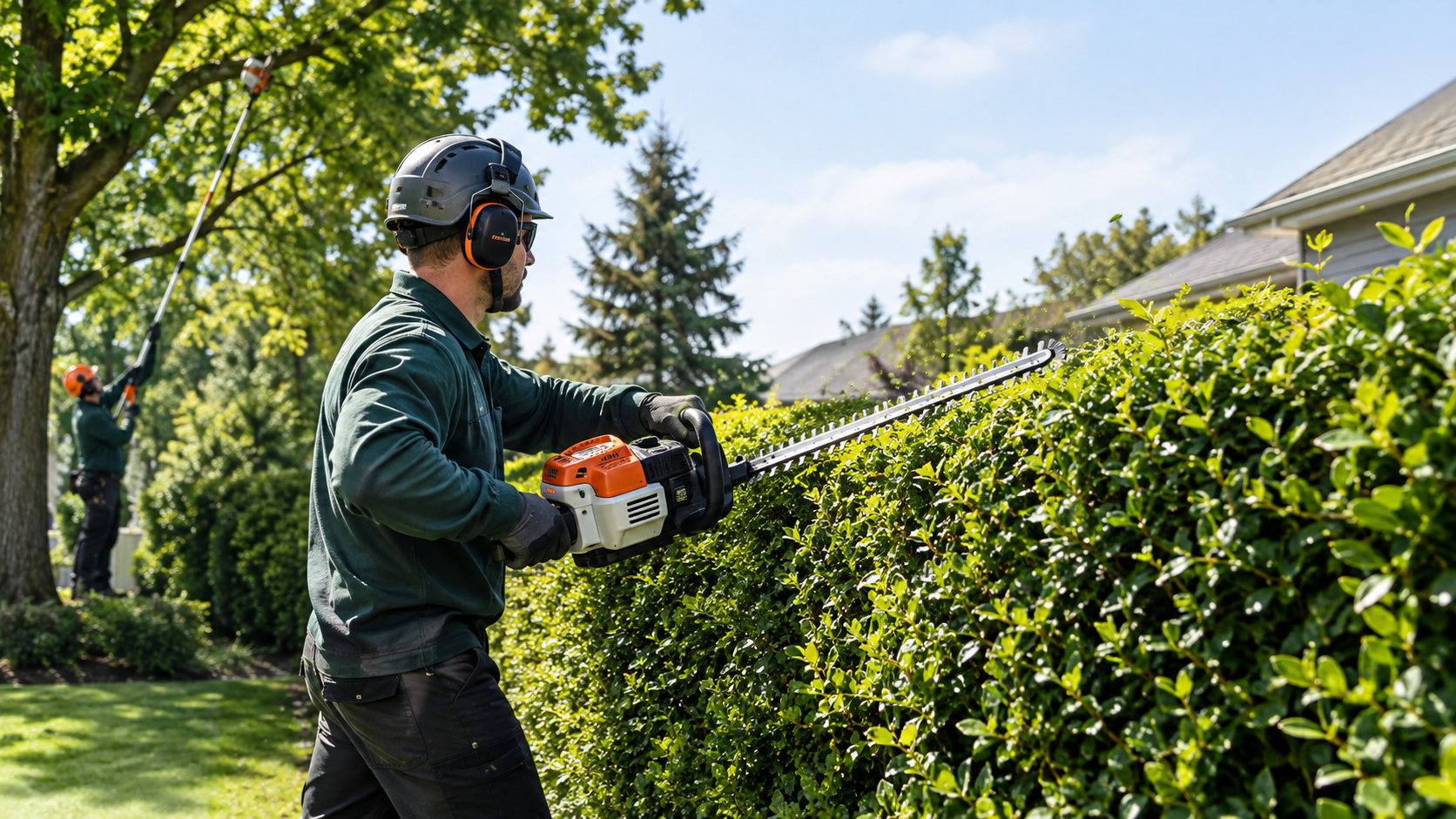
Equipment, work-zone control and tree safety
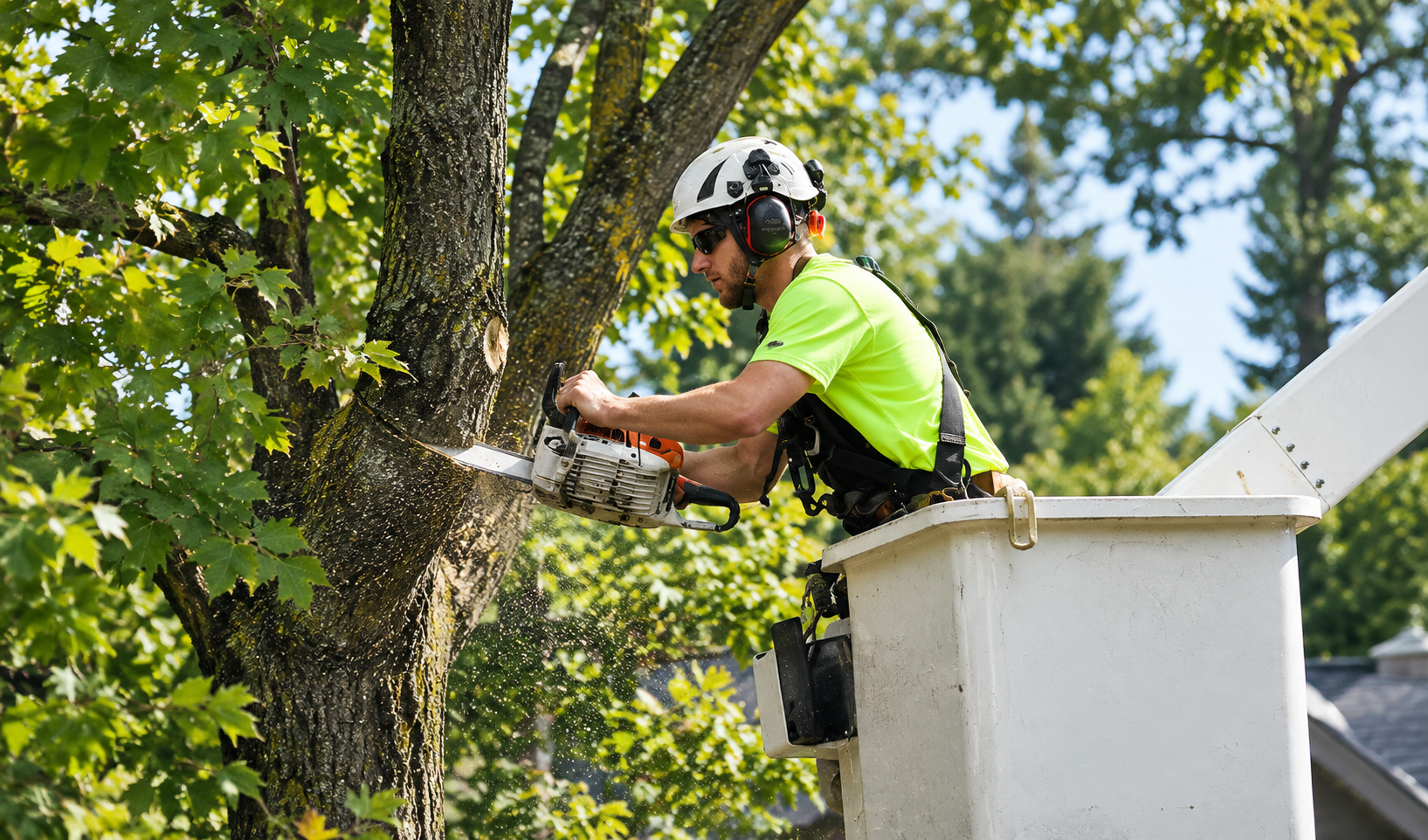
Emergency tree work is not simply routine removal performed quickly. Broken limbs may be suspended under tension, trunks may be supported by a building or another tree, and the root plate may be unstable. The crew first considers how the tree is positioned, what could move, where people can be kept clear, and which equipment and work sequence fit the conditions. The safest method may involve sectional work, controlled lowering or another approach selected after the scene is assessed. The precise method cannot be chosen from a short phone description alone.
Access, weather, visibility, ground stability and nearby structures affect the work plan. Equipment must be positioned with regard for the property and the space available. Where a tree is on a roof, the arborist considers both the tree and the building interface; Bosco Tree is not a substitute for a structural engineer, roofer or emergency authority. If a building appears unstable or there is an active risk to occupants, leave the area and follow emergency responder instructions before arranging tree work.
Work-zone control matters for everyone on site. Keep occupants, passersby and pets outside the area identified by responders or the crew. Do not enter to retrieve belongings, move vehicles beneath a hanging limb, or try to steady a trunk. Never cut a tree that is touching electrical equipment or wires. Only the utility or authorized responders can advise when an electrical hazard is safe. A crew may need to wait for utility coordination or clearance before proceeding near lines.
Storm damage around homes, roads and power lines
If a tree or limb is on a house, remain alert for roof damage, broken windows, shifting debris and possible structural instability. If the building may be unsafe, evacuate if it is safe to do so and contact emergency services. If a tree blocks a public road, creates a traffic hazard or has affected public infrastructure, notify the appropriate emergency service or authority. Avoid standing in the road to direct traffic or assess the damage.
Power lines require particular caution. Treat any fallen, low or contacted wire as energized. Stay far away from the wire and anything touching it, including branches, trees, fences, standing water or vehicles. Call the utility or 911; do not attempt to identify the line, lift it, move the tree or use tools near it. Bosco Tree can discuss tree-related assistance only after utility and emergency requirements are addressed. A tree that appears to be clear of a wire can still be close enough to create a serious risk.
If no immediate life-safety or utility issue is present, provide Bosco Tree with the location, a safe description of what has happened and the best access point. Do not walk around a damaged tree to find its root plate or take a close-up photograph. A safe overview from a distance is more useful than putting yourself in danger. For planned non-urgent care, visit the pages for tree removal in Toronto, tree trimming and pruning or arborist reports.
What happens when the emergency crew arrives?
On arrival, the crew confirms the location and reviews the condition from a safe position. The assessment considers whether anyone is at risk, the tree’s position and stability, the affected structure or route, nearby trees and obstacles, equipment access, and any utility involvement. Emergency tree service Toronto residents request is planned from those conditions on arrival, rather than from assumptions made by phone. If a hazard is beyond the crew’s authority or requires another responder, the team will explain that coordination is needed. The arrival assessment is not a promise that all work can start immediately; safe access and clearance may be prerequisites.
Once the situation can be assessed, Bosco Tree discusses the immediate work scope and the intended result. In an emergency, the first priority may be controlled hazard reduction rather than full restoration. The crew can explain what can be addressed now, what should wait and whether further work is advisable. When possible, the property representative should be available to confirm access and the requested scope. If nobody can attend, explain that before arrival and provide any relevant instructions you can safely communicate.
Emergency tree response, from call to work
- Call for the right help first. For injury, immediate danger to life, blocked public roads or possible live wires, contact 911, the utility or the responsible authority as appropriate. Do not wait for an arborist when emergency responders are needed.
- Contact Bosco Tree from a safe location. Call 416-206-1460 and state that the request is urgent. Give the street or property location, what has fallen or split and what is affected.
- Answer safety questions. Report any known wire contact, building damage, injuries, blocked access, active movement or continuing weather hazard. Say when a detail is unknown; do not investigate it yourself.
- Discuss availability and next steps. Bosco Tree reviews the situation and advises what can be determined from the information available. Emergency service is available 24/7, but a specific response time is not promised; conditions, access and demand can affect the response.
- Complete an on-site assessment. The crew checks the hazard, work zone, equipment access, property exposure and any required coordination with utilities or emergency responders.
- Confirm the work plan. The immediate scope is explained, including any limitations or follow-up requirements that can be identified. Work proceeds using an approach suited to the conditions and safe clearances.
- Review the result and next actions. The crew can discuss remaining debris, a stump, further arborist review or other work that should be separately estimated or coordinated.
In severe weather or when a site is not safe to enter, arrival and work may be delayed until conditions allow. A tree that is unstable or entangled can require staged work and careful coordination. Bosco Tree will not promise a fixed arrival time or imply that every emergency can be resolved in a single visit. When arranging emergency tree service Toronto callers should share known access limits and follow all utility and responder directions. When calling, ask what immediate action is appropriate and follow the direction of emergency services and the utility.
Insurance claim documentation after tree damage
After an incident, your insurer may ask for photographs, a description of the damage, service records or other materials. Bosco Tree can discuss the tree-work documentation it can provide for its own assessment and work, such as a written estimate or invoice describing the contracted scope. The specific documents available depend on the job. Ask what can be supplied and retain copies of communications and records you receive.
Do not assume that an arborist’s observations determine insurance coverage, fault, reimbursement or claim approval. Those decisions belong to your insurer and policy. Contact your insurance provider promptly, follow its instructions and avoid discarding relevant records. If it is safe, photos taken from a protected location can help document the scene, but do not approach damaged trees, roofs or wires to obtain images. Emergency safety comes before documentation.
When you contact Bosco Tree, say if the work relates to an insurance claim and ask whether the estimate can clearly describe the work being proposed. A scope-focused estimate helps distinguish emergency hazard reduction from later cleanup or landscape restoration. If additional documentation is needed, ask the insurer what it requires and then confirm what Bosco Tree can provide. We do not promise that a particular format will satisfy an insurer or that any claim will be accepted.
Free quote and estimate for emergency tree work
Bosco Tree offers free quotes and estimates. For a potentially hazardous scene, start with a call to 416-206-1460 rather than waiting to complete a lengthy form. The team can gather the location and essential details, explain next steps and determine what further assessment is appropriate. Do not delay an emergency call to collect measurements or photos. For non-urgent follow-up or general inquiries, use the contact form for Bosco Tree.
When the scene permits, the estimate should make clear which tree or limb is included, whether the scope is immediate hazard reduction or a broader removal, what debris handling is included, and what follow-up work is separate. Ask about access, utility coordination, possible property protection and any constraints that could change the plan. If weather or newly discovered conditions change what is safe, the crew should explain the revised approach before continuing when circumstances allow.
Some urgent scenes require action by emergency responders or a utility before an estimate can be completed. Other situations may be stable enough for a site review and written scope. The timing and level of documentation depend on conditions. Calling Bosco Tree does not replace your obligation to notify emergency services, the utility, a property manager or insurer where appropriate.
Certification, insurance and experienced tree care
Choosing an emergency tree contractor means entrusting a hazardous, time-sensitive job to a crew working near people and property. Bosco Tree has ISA-certified arborists, more than 30 years of experience and full insurance with $2 million liability coverage. These facts describe the company’s qualifications and insurance; they are not a guarantee of a particular result, response time or insurance claim outcome. Ask questions about the proposed scope and confirm that it addresses the actual hazard at your property.
An arborist assesses trees and their condition, but emergency response can involve more than tree care. Electrical hazards, structural damage, injuries, blocked public routes and active fires or leaks require the appropriate emergency service, utility or specialist. Bosco Tree coordinates tree-related work within the conditions on site and may need to wait until another authority makes an area safe. If the work is not urgent, Bosco Tree can also discuss arborist assessment and reporting in Toronto and other tree-care services.
Tree-removal permits and protected areas in Toronto
Emergency stabilization and planned tree removal are not interchangeable situations. Toronto’s current guidance says a permit is generally required before activities that may injure or remove a private-property tree measuring 30 centimetres or more in diameter, unless an applicable permission or exception applies. Municipal Code Chapter 658 provides separate protection in designated ravine and natural feature areas. Requirements can depend on the tree, property, location and circumstances, so check the City’s current rules before planned removal or work near a protected area. Read the City of Toronto permit guidance for trees and ravines or contact the City directly.
This page is not legal advice and does not determine whether a permit is required for your tree or whether an emergency exception applies. If a dangerous tree is involved, prioritize safety and emergency coordination; do not assume a by-law exemption without verifying the current requirements with the City. For planned work, Bosco Tree can explain the arboricultural scope and related services, including tree removal and arborist reports. Tree Protection Zone installation may be relevant where construction is planned around retained trees; discuss the site before work begins.
Emergency tree service across Toronto and the GTA
Bosco Tree provides service in Toronto and the GTA, including Scarborough, North York, Etobicoke, East York, Mississauga, Brampton, Vaughan, Markham and Richmond Hill. If an incident occurs outside these communities, call with the location and details so the team can confirm whether assistance is available. In a public emergency, contact the appropriate emergency authority regardless of whether a tree contractor is available.
Urban emergencies often involve compact lots, shared driveways, fences, overhead services and nearby homes. Suburban properties may have longer access routes, larger trees or multiple affected areas. Commercial and multi-unit sites can require coordination with a property manager and clear communication about entrances, parking, occupants and restricted zones. Mention these factors during the call. Do not send anyone into the hazard area to improve access or move a vehicle beneath a damaged tree.
For planned care, learn about tree pruning and trimming in Toronto, professional Toronto tree removal and stump grinding and removal. For a larger site, see lot clearing across the GTA. Bosco Tree’s services and background are outlined on the services page, About Us page and home page.
Why choose Bosco Tree for emergency tree service?
In an emergency, clear communication and a safety-led assessment are essential. For emergency tree service Toronto families and property managers can request around the clock, share the location and immediate hazards first. Bosco Tree offers 24/7 emergency service, ISA-certified arborists, 30+ years of experience, full insurance with $2 million liability coverage and free quotes and estimates where appropriate. The team asks for the information needed to understand the tree-related hazard, identifies when emergency responders or utility clearance are necessary, and explains the work scope and limitations that can be determined on site.
We do not use an unsupported promise of a specific response time. Conditions, access, weather, hazards and demand can affect what is possible. We also do not represent that tree work will repair a roof, establish insurance coverage or eliminate every risk from a storm-damaged property. Our role is to assess and address the tree-related work that is safe and within scope, while directing you to the appropriate emergency service, utility or specialist when their involvement is needed.
If you have a tree emergency now, do not wait to read more: move to a safe place, call 911 or the utility when appropriate, and contact Bosco Tree at 416-206-1460. For a non-emergency consultation, request an estimate through the Bosco Tree contact page.
Frequently asked questions about emergency tree service Toronto
1. Is Bosco Tree’s emergency tree service available 24/7?
Yes. Bosco Tree offers 24/7 emergency tree service. Call 416-206-1460 to report the hazard and location. Availability and arrival timing depend on conditions, access and demand; no specific response time is promised.
2. What should I do if a tree or branch is touching a power line?
Stay far away and treat the line as live. Do not touch the wire, tree, fence, water or equipment nearby, and do not try to move or cut anything. Call the utility or 911 and follow their instructions. Contact a tree service only after the utility or emergency responders address electrical safety.
3. Can Bosco Tree remove a tree that has fallen on my house?
Bosco Tree can assess tree-related work, but first leave any area that may be structurally unsafe and contact emergency services if there is an immediate threat. The crew will assess the tree, access and site conditions and explain what work is appropriate. A roofer, structural professional or emergency responder may also be needed.
4. Does emergency service include trees blocking roads?
If a tree blocks a public road or creates a traffic danger, contact emergency services or the responsible authority and stay out of the roadway. Bosco Tree can discuss tree-related assistance, but public safety and required authority response take priority.
5. How quickly will an emergency crew arrive?
Bosco Tree offers 24/7 emergency service, but does not promise a fixed response time. Weather, access, site hazards, utility coordination and demand can affect availability and arrival. Call with the location and current conditions for next-step guidance.
6. Can Bosco Tree provide documentation for my insurance claim?
Bosco Tree can discuss documentation related to its own assessment and contracted tree work, such as an estimate or invoice describing the scope. Ask what is available for your job. Your insurer determines claim requirements and coverage; no claim outcome is guaranteed.
7. What happens when the crew arrives?
The crew assesses the tree, hazards, affected structures or routes, access and any need for utility or emergency coordination. Bosco Tree then discusses the proposed immediate scope and limitations. Work begins only when conditions and required clearances allow.
8. Do I need a permit for tree removal in Toronto?
Toronto generally requires a permit before activities that may injure or remove a private-property tree 30 centimetres or more in diameter, subject to applicable permissions and exceptions. Designated ravine and natural feature areas have separate protections. Verify current requirements with the City for your specific situation.
9. Which areas does Bosco Tree serve?
Bosco Tree serves Toronto, Scarborough, North York, Etobicoke, East York, Mississauga, Brampton, Vaughan, Markham and Richmond Hill. Call to confirm availability for another nearby location.
10. How do I request emergency tree assistance?
For immediate danger, injuries, possible live wires or a public hazard, call 911, the utility or the responsible authority first. From a safe location, call Bosco Tree at 416-206-1460 with the service location and a brief description of the tree damage.