
Best Time to Trim Trees Toronto: A Season-by-Season Guide
People searching for best time to trim trees Toronto are often deciding whether to schedule routine maintenance or address a specific concern. The right timing depends on the tree species, its condition, the reason for pruning, disease risks and what is happening in the canopy. Some structural work is often easier to plan while a tree is dormant; flowering trees may be best pruned after they bloom; and hazardous branches should not wait for an ideal season. In Toronto and across the GTA, a sound plan balances tree health, safety, weather and any applicable rules.
Key takeaways
- For many non-emergency pruning projects, late fall through winter dormancy can offer good visibility and less interference with active growth, but species and site conditions matter.
- Spring-flowering trees are commonly pruned after flowering if the goal is to preserve the next display.
- Do not prune or wound oaks during the Toronto oak-wilt restriction period: the City's pruning guideline prohibits oak and elm pruning from April 1 through October 31.
- Look for structural defects, deadwood, clearance conflicts and storm damage rather than relying on a routine annual date.
- Urgent hazards need prompt professional assessment in any season. A free quote from Bosco Tree can help clarify the work and timing.
Plan safe, well-timed tree pruning in Toronto and the GTA.
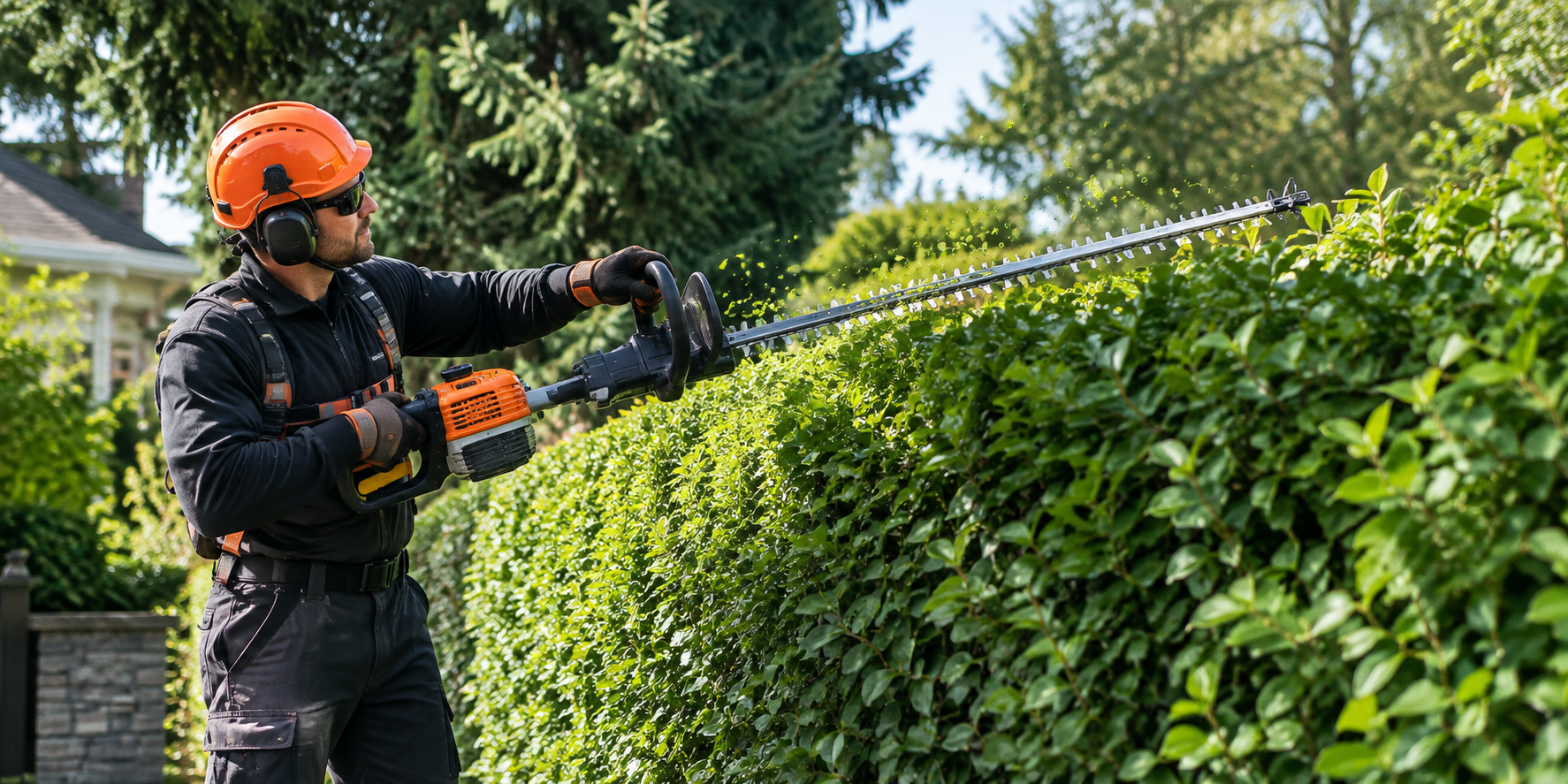
Best time to trim trees Toronto: how to choose your pruning window
Pruning is a deliberate, selective removal of branches to improve a tree's structure, health, clearance or safety. It is different from indiscriminate cutting back. There is no single date that suits every tree in Toronto: an arborist considers the species, the objective, recent weather, the tree's vigour and the worksite. A mature shade tree beside a home may need a different plan from a young ornamental tree or a tree with a cracked limb. If your priority is risk reduction, the safe timing can be immediate; if your priority is shaping or routine maintenance, the job can often be planned around the tree's growth cycle.
For homeowners searching “best time to trim trees Toronto,” dormant-season work is a common starting point for routine structural pruning—not a blanket rule. The dormant season is popular for many kinds of structural pruning because the branching framework is easier to see without leaves. Dormancy also means the tree is not actively producing new leaves, so planned work can be scheduled before the next growing season. That does not make every winter day suitable: icy footing, deep snow, wind, frozen access or extreme conditions can create hazards for people and property. Nor does it mean every species should be pruned in winter. A qualified Toronto tree-trimming service can match the approach to the species and objective rather than apply a one-date-fits-all rule.
Before setting a date, define the result you need. Is a dead limb hanging over a walkway? Are branches touching a roof, blocking a sign or crowding utility clearance? Does a young tree need structural training? Has the canopy become dense or unbalanced? Or are you considering removal rather than pruning? The answer can change the scope substantially. Where removal may be more appropriate, start with an assessment of tree removal in Toronto; when a tree is to remain, discuss targeted tree pruning in North York or the relevant neighbourhood service.
Season-by-season pruning guidance for Toronto trees
Late fall and winter: dormant-season planning
Late fall after leaf drop and the winter dormant period can be useful windows for many planned pruning tasks. With foliage gone, a professional may be able to inspect branch unions, crossing limbs and the overall architecture more clearly. The tree's form is easier to evaluate, and some routine corrective work can be completed before spring growth begins. This season can suit structural pruning, selective thinning when warranted and removal of dead or damaged branches. The goal should be to retain healthy structure and make specific cuts, not to thin a canopy simply because it looks dense.
Winter work must still be judged in context. Cold does not automatically make a tree safer to prune, and crews must have stable access, safe climbing and equipment conditions. Heavy snow may conceal roots, obstacles or uneven ground. Ice can make a branch, ladder or work zone unpredictable. For the property owner, the practical question is whether the site and tree can be approached safely now, not whether winter is theoretically a good season. A professional may recommend waiting for a better work window when the work is not urgent.
Before winter, note limbs that have already cracked, hang unusually low or have started rubbing on a building. Take photographs from a safe distance and record where branches may threaten a driveway, pedestrian route or outdoor work area. Never climb, cut or pull a suspended limb yourself. If a tree has become unstable or a branch presents an immediate danger, contact an arborist promptly rather than waiting for a routine dormant-season appointment. Read the practical storm-damaged tree removal guide for Toronto if recent weather has created the concern. Bosco Tree provides 24/7 emergency tree service in Toronto for urgent tree situations.
Spring: assess growth, flowers and wildlife
Spring is a time to inspect trees as buds open and new growth appears. It is also when flowering trees display a year's developing bloom, and timing can matter if you want to preserve that show. Trees that flower in spring are often pruned after they finish flowering, because pruning beforehand can remove flower-bearing growth. If your search for “best time to trim trees Toronto” concerns spring blossoms, an arborist can match timing to the species and safety need. That is a general horticultural principle, not a universal prescription: species, health and the intended cut matter, and a hazard takes precedence over cosmetic timing.
New leaves can reveal problems that were difficult to see in winter: sparse areas, branches that failed to leaf out, unusual dieback or limbs that have shifted after snow and wind. These observations are useful, but one symptom alone does not establish a diagnosis. Keep notes about which part of the canopy changed, when you first noticed it and whether the change is spreading. An arborist can assess the pattern and recommend whether to prune, monitor, investigate further or consider another service. For questions involving tree condition and documentation, learn about arborist reports in Toronto.
Spring is also a period when birds may use trees for nesting. Federal guidance says migratory birds, their nests and eggs can be harmed by activities such as vegetation work, and recommends assessing risk and taking steps to avoid harm. The timing of nesting can vary by location and species, so do not treat a single calendar date as a guarantee that a branch is clear. If planned work could affect a nest, pause and get appropriate guidance before proceeding. Where a dangerous limb creates an urgent safety issue, explain the situation to the arborist so the work can be assessed responsibly.
Summer: target specific needs, not broad canopy reduction
During summer, leaves make it easier to see how a tree shades a property, but the full canopy can also hide cracks and weak attachments. The tree is actively growing, and cuts may remove foliage the tree is using to make and store energy. That does not mean all summer pruning is wrong. A limited cut to remove a dead, broken or obstructive branch may be justified when the tree's needs and the work conditions support it. The key is to avoid unnecessary heavy pruning and to have a clear reason for each branch removed.
Summer is a practical season to check roof clearance, sightlines, building access and branches interfering with outdoor spaces. If the tree is healthy and the concern is not urgent, an arborist may recommend deferring major corrective work to a more suitable period. If the limb is actively failing or poses a hazard, prompt attention matters more than waiting for a preferred season. A specific assessment can distinguish a manageable maintenance issue from a structural risk.
Oaks need special caution in Ontario. The Province advises against pruning or wounding oaks during the high-risk period beginning in early April through the end of July, and says the ideal precaution is to avoid pruning or wounding from April through November while sap beetles that spread oak wilt are active. The City of Toronto's pruning guideline states that pruning of oak and elm trees is prohibited from April 1 through October 31. Because municipal rules and disease guidance can be updated, confirm current requirements with the relevant authority and a qualified arborist before undertaking work on an oak or elm. Emergency situations should be assessed by professionals and the appropriate authority, not handled as routine homeowner pruning. See the City's oak wilt guidance and its tree pruning guidelines.
Late summer and fall: inspect, plan and respect species-specific timing
As the growing season winds down, inspect trees after summer storms and before leaves fall. Look for fresh deadwood, branches that have started to rub, clearance problems and damage that may have been obscured by foliage. The purpose is to spot and prioritize work before winter weather adds snow or ice loading. A routine search for “best time to trim trees Toronto” should not replace an inspection after storm damage. A seasonal inspection does not automatically mean a tree needs trimming; sound trees benefit from thoughtful, limited intervention rather than work performed to satisfy a calendar.
Fall can be suitable for planning some work, but the best moment depends on the species and the work. Some trees are more vulnerable to disease or insect activity at particular times. Oaks remain subject to the oak-wilt precautions described above. A professional may advise waiting for dormancy for routine structural work, or may suggest another timing based on a specific defect. If you need more than pruning—such as clearing a development area—review lot clearing across the GTA with the right assessment and approvals in mind.
Signs a Toronto tree needs pruning now
Some signs justify asking for an assessment promptly, regardless of month. Watch from a safe place for dead branches, fresh cracks, a split trunk, limbs hanging over an occupied route, branches rubbing against a roof, or a tree that has shifted after a storm. Branches rubbing against each other can create wounds; a branch obstructing access may need a targeted cut; and deadwood above a public-facing space may warrant priority. These observations do not by themselves prove a tree is unsafe, but they are useful information for an arborist.
Pruning can also be preventive. A young tree may need structural guidance so that competing stems do not become a future weakness. A mature tree may need removal of specific dead or crossing branches, or clearance from a building. The objective should be stated plainly: improve structure, reduce a known defect, restore clearance or remove a hazard. A skilled crew avoids topping and indiscriminate cutting that strip a tree of its natural form. Bosco Tree's tree pruning and trimming service is designed around appropriate work for the individual tree, not a standard cutback applied to every canopy.
Look for patterns as well as single branches. Repeated dieback on one side, a newly sparse crown, wounds around the trunk or a sudden change in leaf condition can indicate a problem that pruning alone may not solve. Note when the symptom began and whether it has progressed. A consulting arborist can evaluate whether the tree is responding to stress, has a structural issue or needs further investigation. For property decisions that require written professional observations, ask about arborist reports for Toronto properties.
When not to prune—or when to pause before work
Do not start a pruning project simply because a branch is within reach. Avoid removing large amounts of live canopy without a professional plan, topping the tree to reduce its height, cutting roots to create access, or making flush cuts that damage the branch collar. Incorrect cuts can create larger wounds, invite decay or leave an unstable stub. A homeowner should not use a chainsaw from a ladder, climb into the canopy, or attempt to lower heavy branches with rope.
Pause planned work if you suspect active bird nesting in the work area. Federal guidance emphasizes avoiding harm to migratory birds and their protected nests and eggs, and advises evaluating the risk from a proposed activity. A calendar is not a substitute for evaluating the actual tree and local timing. If a nest or bird activity is observed, defer work that could disturb it and seek appropriate advice. A genuinely dangerous limb is different from optional shaping: explain the urgency to an arborist, who can assess safety and how to proceed responsibly.
Also pause when the work involves a tree that may be on public property, a protected tree, or a site subject to development or ravine rules. The appropriate permissions depend on location and circumstances. A routine pruning permit may not be required for work done in accordance with good arboricultural practice, but rules can apply to particular trees, properties and types of work. Confirm the requirements with the relevant municipality before work begins. If the project is actually a removal, learn about the considerations in Toronto tree-removal permits rather than assuming the pruning rules are the same.
How Bosco Tree plans a pruning project
Bosco Tree is a Toronto-based tree removal and arborist company serving the GTA. Its ISA-certified arborists bring more than 30 years of experience, and the business is fully insured with $2 million in liability coverage. The company offers tree removal, tree pruning and trimming, stump grinding and removal, 24/7 emergency tree service, arborist reports, TPZ installation and lot clearing. Those facts help a property owner understand the service range; the right recommendation still depends on the individual tree and site.
A useful consultation starts with your reason for calling. Tell the arborist whether the goal is clearance, structural improvement, deadwood removal, storm-damage assessment or a safety concern. Identify nearby structures, driveways, access constraints and any overhead services. Share photos only if they can be taken safely. The arborist can then assess the tree, identify the relevant work area and explain whether pruning is suitable, whether another option should be considered, and what access or scheduling factors matter.
When the work is planned, an experienced crew considers the shape of the tree, where cuts should be placed, how branches will be managed and how to protect the surrounding property. Good pruning is selective: it removes the specific branch or portion needed to meet the objective while retaining healthy structure. The details vary by species and condition, so a brief phone description is not the same as an on-site assessment.
Some property owners discover during an assessment that pruning is not enough or is not the right option. If a tree is dead, severely compromised or in the way of a project, compare the appropriate next steps with Bosco Tree's Toronto tree-removal service. If a removal leaves a stump that interferes with replanting or use of the space, consider stump grinding and removal. For sites beyond Toronto, Bosco Tree also serves nearby communities through Mississauga tree removal, Brampton tree removal, Vaughan tree removal, Markham tree removal and Richmond Hill tree removal.
Booking ahead for the right season
Searching “best time to trim trees Toronto” well before the work is due gives you time to assess the tree and plan suitable scheduling. If the tree does not present an immediate hazard, booking an assessment before your preferred season gives you time to understand the scope and plan access. Dormant-season appointments can be in demand because many property owners schedule structural work after leaf drop. Spring and summer can be busy for urgent clearance and storm-related concerns. Advance planning does not guarantee a particular date, but it can help you avoid leaving known maintenance until the point when it becomes urgent.
When you request a quote, be ready to share the address or general location, a description of the tree and your main concern. If possible, describe what the work needs to accomplish instead of asking only for a specific cut. That keeps the discussion focused on the tree's health and the property's needs. Bosco Tree offers free quotes. For an overview of the company, start at the Bosco Tree home page or visit about Bosco Tree; for a broader overview of services, see tree care services across the GTA.
If you are comparing providers, use clear questions: Who will assess the tree? What work is proposed, and why? How will the crew protect the site? Is the company insured? What is included in the written quote? Bosco Tree is fully insured with $2 million in liability coverage and offers free quotes. A good service conversation should make the proposed work understandable and set out any limitations before work begins. For a decision checklist, see how to choose a tree service in Toronto.
Pruning may be part of a larger property plan. A new build, landscaping project or boundary concern may call for an arborist report, a tree-protection-zone plan or careful coordination with other contractors. Bosco Tree provides arborist reports and GTA lot-clearing services; for work around protected trees, ask whether TPZ installation and related tree-care services are relevant. Planning these steps early can reduce surprises and help ensure tree work is coordinated with the broader project.
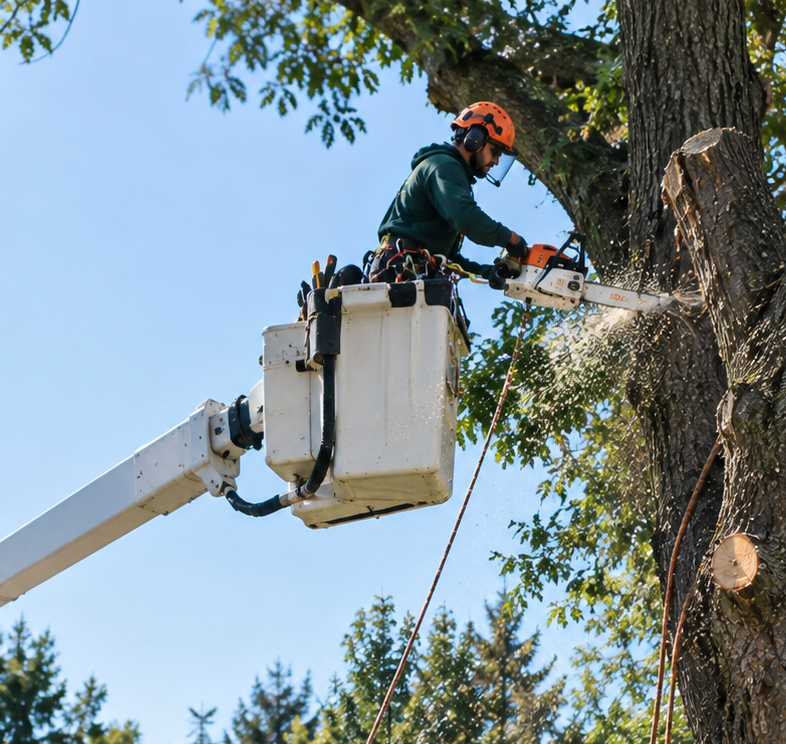
Make a season-aware pruning plan
The most reliable answer to “when should I trim?” begins with the tree and the reason for the cut. Late fall and winter dormancy can make many planned structural jobs easier to evaluate; spring-flowering trees are commonly pruned after bloom; summer cuts should be targeted; and fall is a useful time to inspect and plan. Oak timing in Toronto requires particular attention because official disease guidance and the City's pruning guideline identify a seasonal restriction. Nesting birds, weather, property rules and hazards can change the decision.
When a branch threatens people or property, do not wait for a routine season or attempt the work yourself. Keep clear and get professional help. For non-urgent work, request an assessment, clarify the goal and schedule around the species and site. Bosco Tree serves Toronto and the GTA with pruning, removal, emergency tree service and related arborist services, and offers free quotes. A qualified assessment can help you decide what should happen next without guessing from a calendar.
Not sure whether your tree needs pruning now or can wait? Ask Bosco Tree for a free quote and a professional assessment.
Quick guide: match the work to the season
| Season | Typical planning consideration | Important caution |
|---|---|---|
| Late fall and winter | Many planned structural jobs can be assessed with a clear view of branch structure while the tree is dormant. | Weather, access, species and site safety still determine whether work should proceed. |
| Spring | Observe new growth; consider pruning spring-flowering trees after bloom when preserving flowers is the objective. | Assess potential bird-nesting concerns and do not disturb protected nests or eggs. |
| Summer | Address specific clearance needs or urgent defects with targeted work. | Avoid unnecessary heavy pruning during active growth; apply oak timing precautions. |
| Fall | Inspect after summer weather and plan suitable maintenance before winter. | Confirm species-specific disease guidance and current municipal requirements. |
This is a planning aid, not a substitute for an on-site assessment or current municipal direction. If the tree is on public land or the work involves a permit-controlled property, verify responsibility and requirements before arranging service. An expert can explain how a proposed cut relates to the tree's species and condition. For other common tree-care questions, explore Bosco Tree's guides to tree removal considerations in Toronto and Toronto tree-removal permits.
Frequently asked questions about tree pruning in Toronto
1. What is the best time to trim trees in Toronto?
For many non-urgent structural jobs, late fall through winter dormancy is a useful planning window. The best timing still depends on the tree species, the reason for pruning, site conditions and any disease or wildlife concerns.
2. Can I prune my tree in winter?
Often, planned pruning can be carried out during dormancy, when branch structure is easier to see. Work should proceed only when the tree, weather, access and crew conditions are safe and suitable.
3. When should spring-flowering trees be pruned?
When preserving the current season's flowers is the goal, spring-flowering trees are commonly pruned after they finish blooming. A different timing may be needed for a safety issue or a species-specific concern.
4. When should oak trees be pruned in Toronto?
The City of Toronto's pruning guideline prohibits pruning oak and elm trees from April 1 through October 31. Ontario guidance recommends avoiding oak pruning or wounding during the active oak-wilt risk period and ideally from April through November. Confirm current rules and seek professional advice before scheduling oak work.
5. Should I wait for winter to remove a dangerous branch?
No. If a branch presents an immediate safety hazard, keep people clear and contact a qualified arborist promptly. Do not climb, cut or pull the branch yourself, and treat any contact with electrical wires as an emergency.
6. Can tree pruning disturb nesting birds?
Yes. Work can harm migratory birds, nests or eggs. Assess the actual tree and activity, avoid disturbing protected nests, and get appropriate advice if nesting activity may be affected.
7. How do I know if my tree needs pruning?
Look for dead or broken branches, cracks, limbs rubbing on a building, blocked clearance or a change after a storm. These signs warrant an assessment, but an arborist should determine what work is appropriate.
8. How far ahead should I book tree pruning?
For non-urgent work, request an assessment before your preferred season so there is time to plan the scope and access. Urgent hazards should be reported promptly rather than held for a routine appointment.
9. Does Bosco Tree provide free pruning quotes in Toronto?
Yes. Bosco Tree offers free quotes for tree-care services in Toronto and the GTA. Call 416-206-1460 or use the contact form to request an assessment.
10. What if pruning is not enough to address the problem?
An arborist may recommend monitoring, further investigation or removal if the tree cannot be retained safely or does not suit the property's needs. Ask for the reasons and options before work is scheduled.
Get a tree-pruning assessment in Toronto
A good answer to “best time to trim trees Toronto” is a species-and-purpose assessment, not a fixed date. The best time to trim depends on what the tree needs, not simply the month on the calendar. Plan routine work around species and site conditions, respect oak-wilt guidance and wildlife considerations, and act promptly when a branch creates a real hazard. A qualified arborist can explain the difference between a necessary cut and unnecessary canopy removal.
Bosco Tree serves Toronto and the GTA with ISA-certified arborists, more than 30 years of experience, full insurance with $2 million in liability coverage, and free quotes. Call for an assessment, share the goal for the work, and ask what timing is appropriate for your tree and property.
Book a free tree-pruning quote with Bosco Tree.